
How to Detect Parasites: Beyond Basic Stool Tests
Many people associate parasitic infections with visible worms or other large organisms. However, the reality is that most parasites are microscopic, meaning they're invisible to the naked eye. This fact significantly limits the reliability of certain traditional tests for detecting parasitic infections in your poop! Let’s talk about the different testing methods for parasites, including surprising markers as seen on a Hair and Tissue Mineral Analysis (HTMA).
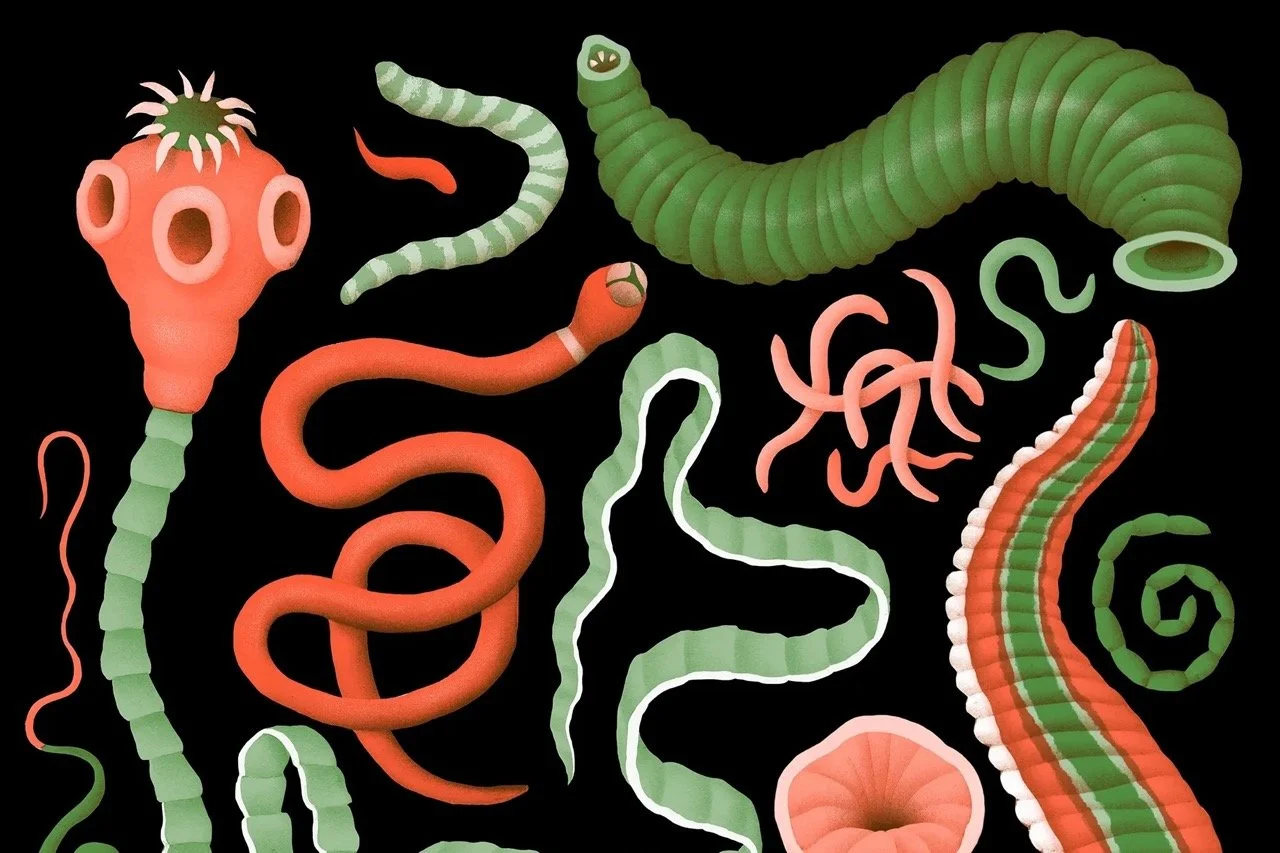
Microscopic Parasites
Traditional stool tests rely on visual identification of parasite eggs, larvae, or cysts. While effective for detecting larger parasites, these methods are often insufficient for identifying microscopic parasites (which the majority of them are).
Traditional Parasite Detection
It’s important to know that the size and often low concentration of parasite in stool samples make them difficult to detect even with a microscope. This means many parasitic infections go undiagnosed using this method alone.
Given the limitations of stool analysis for microscopic parasites, exploring alternative and complementary approaches can provide some answers. First let’s look at other “traditional” methods:
Blood Tests: Blood tests can detect parasite antigens (specific proteins) or antibodies (proteins produced by the immune system in response to an infection). These are particularly useful for blood-borne parasites like malaria.
Imaging and Tissue Biopsies: In cases of suspected organ migration (parasites can travel to the liver, lungs, brain - I know, gross), imaging techniques like ultrasound or CT scans and tissue biopsies may be necessary.
Comprehensive Health History & Symptom Assessment: A detailed history, including travel history, dietary habits, and potential exposure to contaminated food or water, as well as a careful evaluation of symptoms (including gastrointestinal issues, fatigue, skin problems) can give valuable clues.
Functional Lab Testing for Parasites
Other less traditional approaches to detect parasites include Microbiome Stool Testing (such as the GI-MAP) and some indicators from HTMA testing (more on this below).
Recent advancements in stool testing technology have significantly improved detection rates, particularly for microscopic parasites. Molecular diagnostic tests, such as those using quantitative polymerase chain reaction (qPCR) technology, directly detect the DNA or RNA of parasites in stool samples. These tests are far more sensitive than traditional microscopy-based methods, capable of identifying even low levels of parasitic DNA or RNA. I go into more detail about this in my article on how to get rid of parasites, which I highly recommend you read as well.
Hair Tissue Mineral Analysis Markers
While HTMA doesn't directly detect parasites, certain mineral imbalances can be indicators of an underlying infection. I repeat: HTMA isn't a replacement for other diagnostic methods, however some mineral markers detected through HTMA can suggest the presence of a parasitic infection. The following are indirect indicators and require further investigation:
High Iron: Elevated iron levels on HTMA can reflect the body's attempt to sequester iron, preventing parasites from utilizing it as a nutrient source. This is a general indicator of infection, not specifically parasites (could be bacterial as well).
High Na/K Ratio: An elevated sodium-to-potassium ratio can indicate cellular stress, inflammation, or infection. In conjunction with other symptoms, it might suggest a parasitic infection.
Low Cobalt: Low cobalt levels indicate insufficient stomach acid. Low stomach acid can impair digestion and allow pathogens (including parasites) to survive and proliferate in the gut.
Other Mineral Imbalances: Other patterns of mineral imbalances detected through HTMA, in conjunction with symptoms and other test results, might also suggest the possibility of an underlying infection. A qualified HTMA practitioner can help interpret these patterns within the context of your overall health picture.
Because of the prevalence of microscopic parasites, relying solely on traditional stool analysis for diagnosing parasitic infections is incomplete. A comprehensive approach that combines detailed medical history, symptom assessment, sometimes blood tests, and potentially other tests like the GI-MAP and HTMA can significantly improve the chances of accurate diagnosis and appropriate treatment. As always, please consult a health practitioner for proper guidance on managing parasitic infections. You can also read my article on how to keep parasites away.
🧡 Found this information useful? You can buy me a coffee / leave me a tip to support my work. 🧡