
What Is Blastocystis hominis?
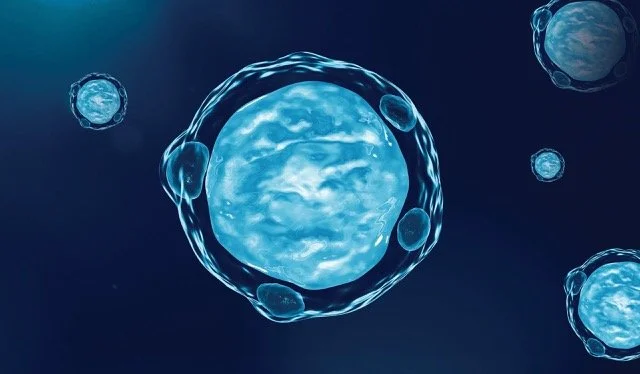
Blastocystis hominis (sometimes also called Blasto) is a common microscopic organism that can be found in the gut. Many people carry it without ever having symptoms.
It is a parasite, but it’s important to understand not all parasites cause disease. The extent to which Blastocystis hominis causes gastrointestinal issues remains a topic of ongoing discussion within the medical community. Understanding this controversy and exploring effective management strategies is crucial.
Is Blastocystis hominis Problematic?
The impact of Blastocystis hominis on human health is a subject of ongoing research and debate.
Blastocystis is one of the most frequently detected parasites in human stool tests. It shows up in people whether they have symptoms or not. This means:
Many healthy people carry it
It does not always make you sick
Detection alone doesn’t always mean treatment is needed
Some researchers believe Blastocystis hominis is opportunistic, causing problems only in individuals with compromised immune systems or pre-existing gut dysbiosis. Others argue it can be a primary pathogen, directly contributing to gastrointestinal symptoms even in healthy individuals. The lack of a universally accepted diagnostic standard and the variability in symptom presentation further complicate the issue.
Symptoms Associated with Blastocystis hominis
While many individuals remain asymptomatic, those who experience symptoms often present with:
Abdominal pain
Diarrhea or loose stools
Constipation or alternating bowel habits
Gas and bloating
Nausea and vomiting
Fatigue
Weight loss
These symptoms are not specific to Blastocystis. They can appear with other conditions like IBS, SIBO, or food intolerances.
Evidence suggests that Blastocystis is more likely to cause symptoms when:
There is a high parasite load on stool testing
The person has gut dysbiosis (imbalanced microbiome)
Symptoms started after travel or a known exposure
Addressing Blastocystis hominis
If you suspect you have a Blastocystis hominis infection, consult a practitioner for proper diagnosis and guidance.
PCR tests (like the the GI-MAP) are more accurate than traditional stool microscopy. Many people with Blastocystis are now only diagnosed because DNA testing is widely available.
Blastocystis Treatment Options
While medical drug options exist, many individuals prefer a natural approach, which often involves a combination of strategies:
1. Dietary Changes:
Avoid Raw or Undercooked Foods: Thoroughly cook all meats, poultry, and seafood to eliminate potential contamination. Sadly, no sushi.
Hydration: Drink plenty of water to support healthy gut function and aid in the elimination of the parasite.
Limit High-Fat Foods: High-fat foods can slow digestion, potentially allowing the parasite to thrive. Choose lean protein sources and limit fried foods and processed meats.
Focus on Nutrient-Dense Foods: Prioritize a diet rich in fruits, vegetables, and lean protein to support overall gut health and immune function.
2. Herbal Remedies
Several herbs possess antimicrobial properties and have traditionally been used to address parasites.
I highly recommend you consult a naturopath or other experienced practitioner before using herbal remedies, as they can interact with medications and have potential side effects. Some commonly used options include:
Garlic (Allium sativum): Allicin in garlic is known for its antimicrobial properties.
Wormwood (Artemisia absinthium): Historically used as an antiparasitic agent.
Oregano (Origanum vulgare): Oregano oil contains compounds with antimicrobial activity.
3. Lifestyle Modifications:
Hand Hygiene: Wash hands thoroughly and frequently, especially before eating and after using the restroom.
Avoid Sharing Personal Items: Don't share utensils, toothbrushes, or towels to prevent potential transmission.
Safe Food and Water Practices: Drink only purified water, and be cautious about food safety, especially when traveling.
Prioritize Sleep: I can never say it enough, optimizing your sleep will make you more resilient.
4. Supporting Gut Health:
Focus on strategies that promote a healthy gut microbiome, such as consuming prebiotics and select probiotics, managing stress, and ensuring adequate stomach acid production.
Notes about treatment
Therapy may need to be longer or repeated in some cases.
Broad antibiotics (if chosen) can affect beneficial bacteria too.
Follow-up testing after treatment helps confirm whether the parasite is gone.
Always consult a healthcare professional for diagnosis and personalized treatment recommendations.
Blastocystis hominis is a rather common gut organism. For many people, it causes no symptoms and does not require treatment. In others, especially those with digestive discomfort and imbalances, it may contribute to symptoms and warrant a targeted approach.
The key is to look at the whole clinical picture: symptoms, gut function, co-infections, and overall health — rather than treating Blastocystis based on a positive test alone.
If you’re unsure what your test result means, working with a clinician who understands gut microbiome patterns can help you make the right choice.