
How Creatine Supports Your Gut (it’s not just for muscles)
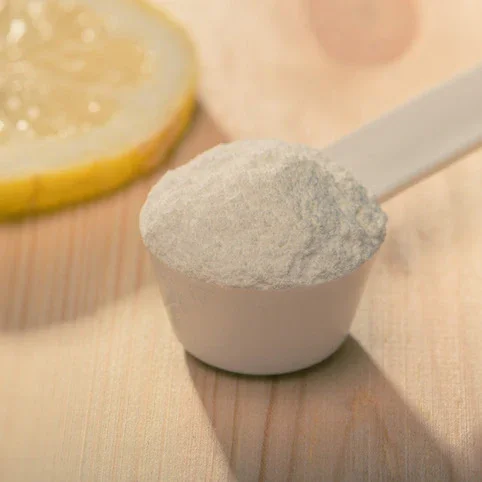
Creatine has been a HOT topic lately. Most people know it as a supplement that helps muscles grow. But newer research shows creatine does much more than that. It helps your brain, your liver, your immune system, and yes — even your gut.
Your gut uses a huge amount of energy every single day, and even more when it’s stressed or inflamed. Creatine gives your gut cells an extra energy backup system so they can stay strong and do their jobs properly. Let’s break it down.
What Is Creatine
Creatine is a natural compound your body makes to help create fast energy.
You can get creatine from food, especially from:
Red meat
Fish and shellfish
Milk and dairy
Notice how they’re all animal-based sources: my vegan people, you’re probably not getting enough creatine!
Your liver, pancreas, and kidneys make the rest. Even though muscles store most of it, some creatine goes directly to your gut, your brain, and other important organs.
Creatine has also been used as a supplement for more than 40 years because it’s very safe, well-studied, and supports energy production.
How Creatine Helps the Gut
Here’s where things get interesting. Creatine isn’t just for gym bros: it plays a powerful role in keeping your gut healthy, especially when the gut is irritated, inflamed, or low on energy (as is often the case with malabsorption issues and SIBO.)
1. Creatine Helps Strengthen the Gut Lining
Your gut lining (or gut barrier) is only one cell thick in the small intestine, and those cells need a LOT of energy to stay strong and tightly sealed. If they run out of energy, the gut barrier can weaken, leading to irritation, food sensitivities, inflammation, and even leaky gut.
Creatine gives these cells a “backup battery” so they can keep working even under stress.
What research shows:
A 2017 study found that creatine-deficient mice had normal guts when healthy but couldn’t keep up during stress. Creatine supplementation helped them recover their energy (ATP) faster.
A 2021 Gastroenterology study showed that creatine helps gut cells maintain a stronger barrier. And a stronger gut lining means less inflammation, better digestion, and fewer symptoms.
2. Creatine Helps Keep the Gut Low in Oxygen
A healthy gut depends on a very low-oxygen environment. This might sound surprising, but most beneficial gut bacteria can only thrive when oxygen levels are extremely low. This part will get a bit more technical but bare with me, I think you’ll find it very interesting!
Your intestinal epithelial cells (IECs; the cells forming your gut lining tissue) help maintain a healthy gut environment by using up almost all the oxygen that reaches the gut lining. They do this through mitochondrial respiration — a highly efficient, oxygen-consuming process.
When these cells are stressed, inflamed, or running low on energy, they can’t rely on their mitochondria as effectively. Instead, they switch to a backup energy system called glycolysis, which does not use oxygen. As a result, the oxygen that would normally be consumed by mitochondria begins to build up.
Creatine helps gut cells keep enough energy so they don’t enter this stressed state.
Along with oxygen, stressed IECs also produce more lactate and nitrate. These molecules, together with the unused oxygen, leak into the gut lumen (the inner space where your microbiome lives). This change in the gut environment creates a problem:
Higher oxygen levels and increased nitrate/lactate provide fuel for certain opportunistic bacteria, especially those in the Proteobacteria group such as E. coli and Klebsiella. These microbes thrive in stressed, oxygen-rich conditions and can crowd out beneficial species (probiotics), promoting inflammation and dysbiosis.
In contrast, when epithelial cells have enough energy and healthy mitochondrial function, they actively consume oxygen. This keeps the gut lumen anaerobic (low oxygen = what we want), which supports beneficial bacteria like Faecalibacterium and Roseburia — two major butyrate producers that protect the gut barrier and reduce inflammation.
Maintaining strong cellular energy in the gut lining is essential for maintaining a balanced microbiome.
Creatine supports gut cells which indirectly helps maintain:
A healthy microbiome
Lower inflammation
Fewer overgrowths of “bad” bacteria
3. Creatine May Support Other Important Gut Cells
Your gut depends on MANY types of cells, and all of them need energy.
Creatine may support:
Goblet cells (which make gut-protective mucus)
Paneth cells (which make antimicrobial compounds)
Stem cells (which repair and replace damaged gut cells)
Parietal cells (which make stomach acid)
Liver cells (which make bile for digestion)
Pancreatic cells (which make enzymes)
We don’t have human studies yet on these exact cells, but creatine’s known role in cell energy suggests it could help support them, especially when inflammation is present.
4. Creatine Helps the Gut Immune System
You might have heard this before: about 70–80% of your immune system is in your gut. What this means is that about ~75% of your body’s immune cells live in your gut, helping protect you from infections, regulating inflammation, and keeping you and your gut lining healthy.
These immune cells need a lot of energy to do their jobs. When they’re fighting inflammation, repairing tissue, or responding to stress, their energy demand skyrockets.
This is where creatine becomes relevant.
Early research shows that creatine may help:
• Immune cells survive and function better (especially T cells)
• Macrophages (the “clean-up crew” of the immune system) do their job effectively
• Lower pro-inflammatory signals like TNF-α
• Increase calming, anti-inflammatory signals like IL-10
In simple terms, a well-energized immune system keeps your gut calmer, stronger, and better balanced.
5. Creatine Supports the Gut-Brain Connection
Gut symptoms and mood symptoms go hand in hand. Another term you might have heard is the “gut-brain axis”. What this means is that there is a continuous feedback loop of communication between your gut and your brain.
Creatine has been shown to help:
Reduce depression symptoms (in a 2024 study)
Support anxiety
Improve brain energy
Support dopamine and serotonin balance
Since your brain and gut talk constantly through the gut-brain axis, creatine may indirectly support gut function through improved nervous system resilience.
There are also creatine transporters in the enteric nervous system (also known as the second brain), which suggests creatine may help support gut motility and communication.
6. Creatine Shows Promise in IBD (Crohn’s & Ulcerative Colitis)
This is still emerging research but exciting. Studies show that people with IBD have:
Lower creatine transporter levels (study in 2020)
Higher energy demands
More oxidative stress
Weaker barrier function
And creatine supplementation may help with all of these.
Research highlight:
A case report showed Crohn’s symptoms improving after 1 g/day of creatine.
While we need more human trials, early signs suggest creatine may support flare recovery, reduce inflammation, and help repair the gut lining.
Are You Getting Enough Creatine?
This is the main question everyone’s asking: Am I getting enough creatine, or should I supplement?
Most people aren’t; especially women, vegans, vegetarians, athletes, stressed individuals (who isn’t?), and anyone with a long history of digestive issues.
Daily creatine need is about 2–3 grams per day for basic maintenance.
We need more with/during:
Growth
Pregnancy
High activity
Stress
Chronic illness
Aging
Plant-based diets
Creatine also supports methylation, which is important for detox, mental health, and hormone balance.
Best Way to Take Creatine for Gut Health
Creatine monohydrate (especially CreaPure) is the safest and most studied form.
Suggested dose:
3–5 grams once or twice daily
Take with water or a meal
Higher doses may cause temporary GI upset
Creatine does not harm the gut microbiome, irritate the gut lining, or increase inflammation when taken properly.
Final Thoughts
Creatine is one of the most well-researched supplements. Now, early research shows it may also support gut barrier health, microbiome balance, immune function, and even IBD recovery.
It’s:
✔ Safe
✔ Well-tolerated
✔ Gut-friendly
✔ Affordable
✔ Helpful for gut, brain, mood, and energy
For clients working on gut healing, creatine can be a simple yet powerful addition to their toolkit, especially during times of stress, inflammation, or recovery. Need more support? Work with me 1:1.