
Is Berberine Bad for Your Gut? What the Science Really Says
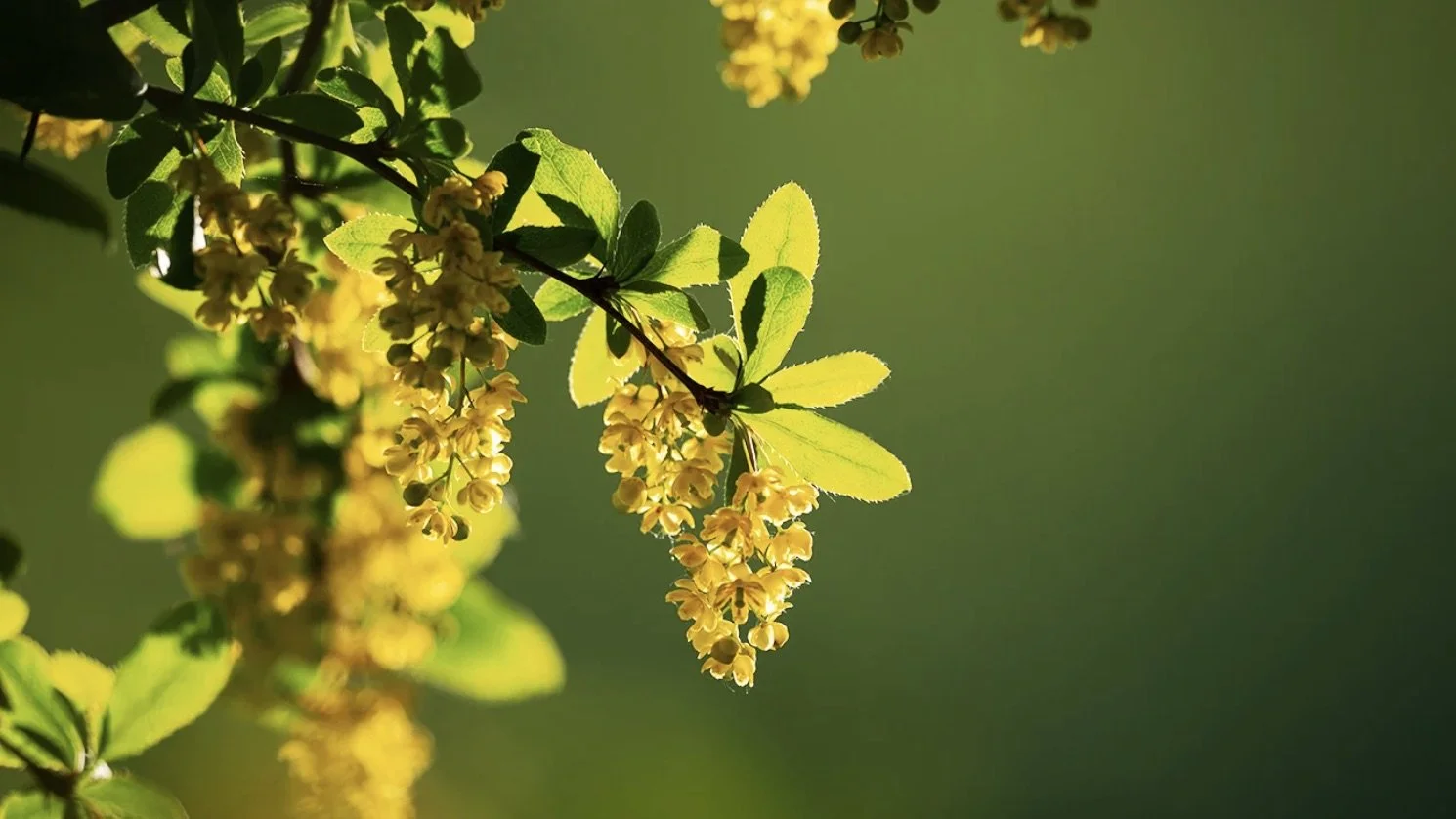
Berberine has become very popular in recent years — often marketed as a “natural metformin” for blood sugar, weight loss, and metabolic health.
It also shows up in countless SIBO protocols and antimicrobial blends used for gut issues.
But the big question is: What does berberine actually do to your gut microbiome? Is it a helpful tool… or can it actually make gut imbalances worse over time?
If you haven’t already, you may want to read my previous article on Berberine for SIBO: Dosage & Guidance.
In this article I’m going deeper to look at the microbiome effects, new research, and when berberine fits into a gut-healing plan.
What Is Berberine?
Berberine is a plant alkaloid found in herbs such as:
• Coptis (Coptis chinensis)
• Barberry
• Oregon grape
• Goldenseal
It has strong antimicrobial activity and has been widely studied for:
✔ Improving insulin sensitivity
✔ Lowering blood sugar
✔ Reducing triglycerides and LDL
✔ Supporting metabolic health
And because of its antimicrobial power, berberine often appears in SIBO protocols, Candida protocols (SIFO), broad-spectrum antimicrobial blends, as well as “gut detox” or “gut reset” products on the market.
Berberine for Gut Health
Is berberine beneficial or detrimental for gut health? This is where emerging research becomes important. Early (mostly animal) studies suggested that berberine might:
✔ Improve gut barrier integrity
✔ Lower inflammation
✔ Positively shift some bacterial groups
✔ Improve bile acid metabolism
✔ Reduce endotoxins
Which all sounds really good on paper. Some of this is true in the short term, as berberine can suppress certain pathogens and reduce inflammatory markers.
But newer human studies paint a more complicated picture, especially when berberine is used at higher doses (as in SIBO protocols) and/or for longer durations.
What Research Shows
This is the part where I look at a few studies about Berberine and its impacts on the gut microbiome. You can skip (scroll) this section if you are not interested in specifics.
Studies Showing Potential Benefits of Berberine on Gut Microbiota ✅
Some animal studies suggest that berberine may increase populations of beneficial, short-chain fatty acid (SCFA) producing bacteria. These bacteria produce compounds like butyrate, which help support the gut barrier, reduce inflammation, and support metabolic health.
In some experimental settings, berberine has been shown to modify bile-acid metabolism through microbiome changes, which may contribute to improved insulin sensitivity and lipid metabolism.
This review reports that berberine can help rebalance gut flora and lower systemic inflammation, which may benefit the liver and digestive health depending on the dose
These findings suggest that under the right conditions (controlled doses, short duration, and healthy baseline guts) berberine can support some aspects of gut and metabolic health.
More Recent Evidence Raises Red Flags ⚠️
More recent studies, particularly in humans and in longer protocols, show patterns that caution against frequent or long-term use, especially for people with sensitive guts or pre-existing dysbiosis:
In one sizable human trial, participants who took berberine for several weeks had a reduction in many beneficial gut bacteria, including key butyrate-producers often associated with gut barrier integrity and anti-inflammatory effects. At the same time, there was an increase in bacteria from the Proteobacteria group (a family that includes many opportunistic and inflammation-associated species).
Another randomized human study showed that even when SCFA producers (such as Roseburia) or fiber-processing bacteria declined, opportunistic bacteria tended to rise during berberine treatment. Supplementation with probiotics (Bifidobacterium) helped mitigate some shifts, but did not fully preserve beneficial SCFA-producers.
Animal studies with higher doses or prolonged berberine intake have mirrored these shifts: increased Proteobacteria, reduced beneficial Firmicutes, and sometimes reduced SCFA output.
And while some earlier studies suggested beneficial effects, the results across studies are inconsistent and haven’t been replicated yet; different doses, durations, animal study vs human study, baseline microbiome composition, and diet all influence the outcome.
What This Means for You
Berberine is not a guaranteed “gut-friendly” supplement — its effects appear highly dependent on dose, duration, and the existing state of your microbiome.
In a fragile gut (low diversity, dysbiosis, IBD/IBS history), long-term and/or high-dose berberine may do more harm than good.
If berberine is used, it should be part of a monitored, short-term protocol, ideally with support for microbiome recovery (e.g. diet, fiber, prebiotics, SCFA support, gentle flora restoration).
Broad claims like “berberine cleans your gut” or “berberine resets the microbiome” are over-simplified and a big red flag; the real story is much more nuanced.
Berberine Use for Gut Health
Berberine can act like an antibiotic, more specifically as a broad-spectrum antimicrobial. For people with already fragile guts, low diversity, or high inflammation, this may be counterproductive. I also discourage the use of berberine for people with a Vata constitution (Ayurvedic principle) as it is a cooling and drying herb.
That being said, short-term use of berberine may help reduce or eliminate pathogens, calm inflammation, or support a targeted goal (like SIBO eradication).
However, know that long-term use of berberine (8–16+ weeks) may:
• Lower microbial diversity
• Reduce SCFA-producing bacteria
• Encourage Proteobacteria overgrowth
• Slow down gut barrier healing
• Make dysbiosis harder to rebalance
• Trigger GI side effects (nausea, bloating, loose stools)
Nothing good. This is also why it’s best to cycle herbals, and take breaks between rounds of treatment.
Berberine in Multi-Herb Antimicrobial Blends
Berberine-rich herbs like Coptis, Goldenseal, Oregon grape and Barberry commonly appear in antimicrobial blends such as Biocidin, Microb-X, GI Synergy (K-64), and many other products on the market.
However, most pre-made supplements do not use the whole herb. Instead, they use berberine HCl — an isolated, highly concentrated extract which is cheaper but not necessarily better.
Whole-plant herbals contain many additional compounds (flavonoids, tannins, polyphenols, other alkaloids) that modulate and balance the overall effect of the herb. They can also contribute extra anti-inflammatory and antioxidant activity beyond berberine itself.
In contrast, berberine HCl delivers the active constituent alone, making it more potent, antimicrobial and more likely to impact the microbiome negatively when used long-term.
This doesn’t mean whole herbs are harmless — but the isolated form behaves much more like a broad-spectrum antimicrobial.
Should You Avoid Berberine?
Not necessarily. Berberine still has value in certain cases.
Berberine may be appropriate when:
• Used short term (~2 weeks) and/or at a low dose (no more than 1000 mg per day)
• You have a specific target you wish to treat for (ex: SIBO or pathogen on GI-MAP)
• You are working with a practitioner who knows how to rebuild SCFA producers
• You are supporting the gut terrain simultaneously (fiber, polyphenols, butyrate support, motility, bile flow)
Issues tend to arise when people use high-dose berberine HCl in stacked antimicrobial protocols, for extended periods (8–12+ weeks) without rebuilding the gut afterward. I also don’t recommend anyone tries to self-prescribe berberine for blood sugar or weight loss due to the detrimental effects this can have on some fragile guts.
If You’re Already Taking Berberine
Here’s what I recommend:
1. No need to panic: most shifts are reversible when addressed correctly.
2. Review protocol duration and dose with a practitioner.
3. Focus on rebuilding with:
• Prebiotic fibers (PHGG, GOS, HMOs in some cases)
• Polyphenols (berries, green tea, pomegranate, cooking herbs)
• Butyrate-supporting foods (cooked veggies, resistant starch)
4. If symptoms worsen, consider transitioning off berberine sooner.
Want a Better, More Strategic Approach Than “More Antimicrobials”?
This is exactly what I support clients with in my 1:1 consultations.
If you’re unsure whether berberine belongs in your protocol (or if you want to understand your own gut terrain more deeply) functional lab testing like advanced stool tests and SIBO breath tests can show whether:
• SCFA producers are already low
• Proteobacteria are elevated
• The barrier is compromised
• You’re dealing with SIBO, dysbiosis, or post-infection changes
This is the difference between blasting the gut and supporting the gut.
Berberine can still be useful short-term and strategically, but the isolated form (berberine HCl) and multi-herb antimicrobial blends create stronger microbial pressure than many people realize. Without proper gut terrain repair afterward, the microbiome can remain depleted long after the protocol ends.