
A Beginner's Guide to Drainage Pathways

What is Drainage and Detoxification?
You’ve probably heard of detoxification before… I mean who hasn’t in this day and age? But let's take a moment to explore the lesser-known but equally vital concept of Drainage.
While detoxification focuses on the body's processes for identifying and handling toxins drainage is all about the crucial task of ushering these toxins out of the body. Think of it as the exit strategy for those unwelcome guests: the toxins (such as mycotoxins, chemicals, heavy metals, and parasites). Without efficient drainage pathways, toxins may find themselves trapped within, recirculating and causing havoc on your health.
A fundamental principle to understand is that effective drainage must precede any major detoxification efforts. In this article, we’ll look into the main drainage pathways, signs that they may be "clogged” and how to ensure they are functioning optimally.
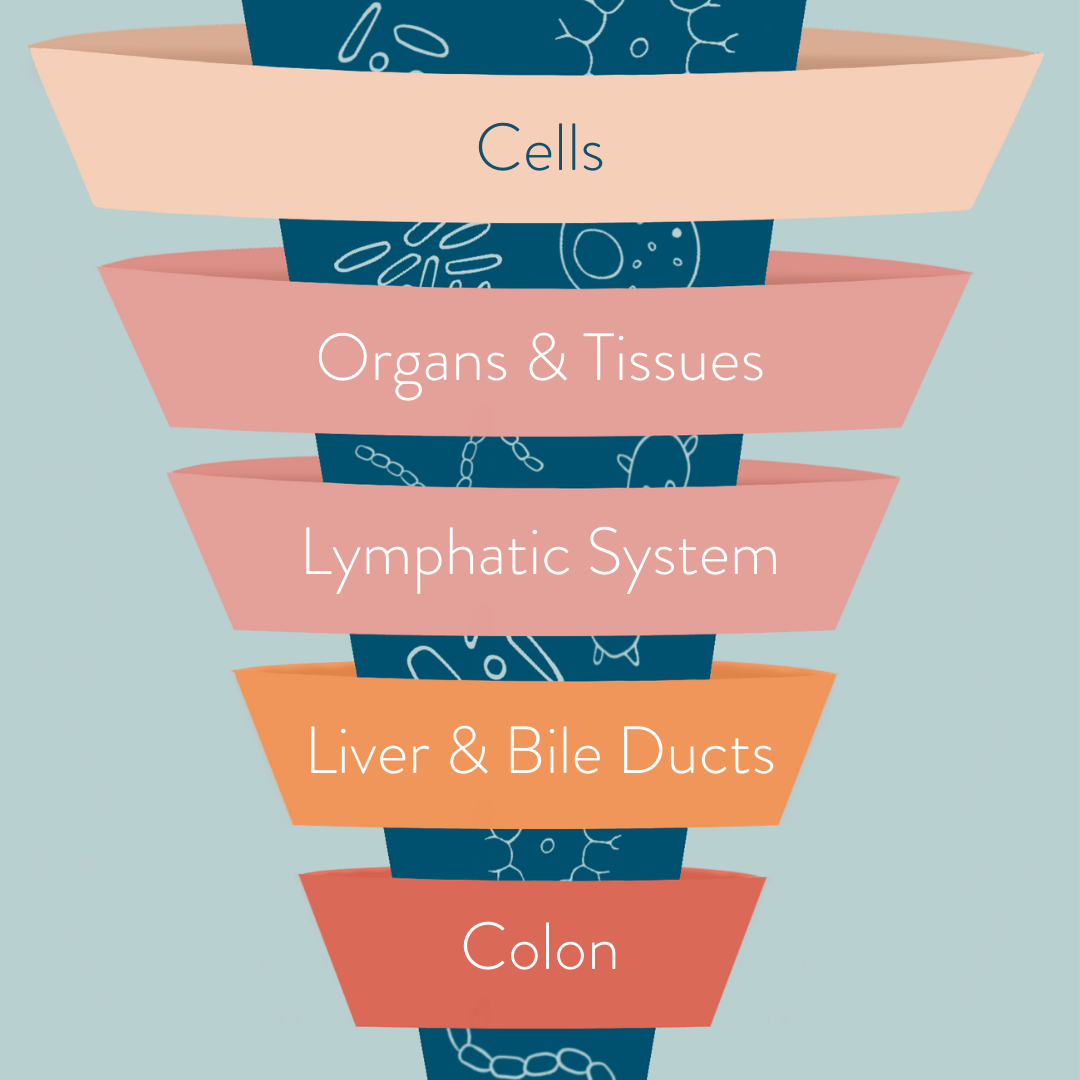
This drainage funnel shows the order in which the body moves fluids to remove toxins. Cellular waste products flow into organs and tissues, then to the lymphatic system, then the liver and bile ducts, and ultimately out of the body through the colon.
There are other ways to excrete toxins, such as sweating (via the skin) and through urine (via the kidneys), but the focus of this article is on the main drainage pathways in the funnel.
Image source: Healing Masters
1. The Colon - The Gateway to Cleanse
Picture your colon, aka large intestine, as the starting point in the drainage process. When the colon encounters blockages or sluggishness, it creates a domino effect, causing backlogs in the entire system.
Constipation, for instance, can lead to an accumulation of toxins, recirculating within the body and intensifying toxicity.
Regular and healthy bowel movements (about 1-3 times a day) are the key to toxin removal. It is important to be pooping every day before pushing forward with a detox regimen. A stagnant colon also leads to hormonal and cholesterol imbalances. To support this process, hydration, a diet rich in fibre from vegetables, thoroughly chewing your food, and eating your food while seated are essential.
2. Liver and Bile Ducts - The Toxic Traffic Managers
Your liver, the body's detoxification hub, processes toxins and dispatches them into your bile or bloodstream. Toxins moved into your blood are filtered through your kidneys and eliminated in your urine. Toxins moved into your bile are released into the digestive tract, where some is eliminated through stool, lowering the level of toxins in the body.
Sometimes the bile ducts get blocked, inflamed, damaged, or narrowed which leads to toxins becoming stagnant and accumulating in the liver, which can cause liver damage. Stagnancy of bile is one of the major contributors of chronic illness and is caused most often by bacteria, viruses, medications, excess estrogen, parasites, and chemical toxins.
This is often the root of Mast Cell Activation Syndrome and Histamine Intolerance. Low thyroid hormones can also impact the flow of toxins and bile acids and can increase risk of gallstones. Supporting the liver and gallblader/bile ducts makes for a smoother detoxing experience. To ensure efficient drainage, it's crucial to incorporate healthy fats into your diet, as they stimulate the production and flow of bile. Coffee enemas can also be very useful.
3. Lymphatic System - The Trash Truck Network
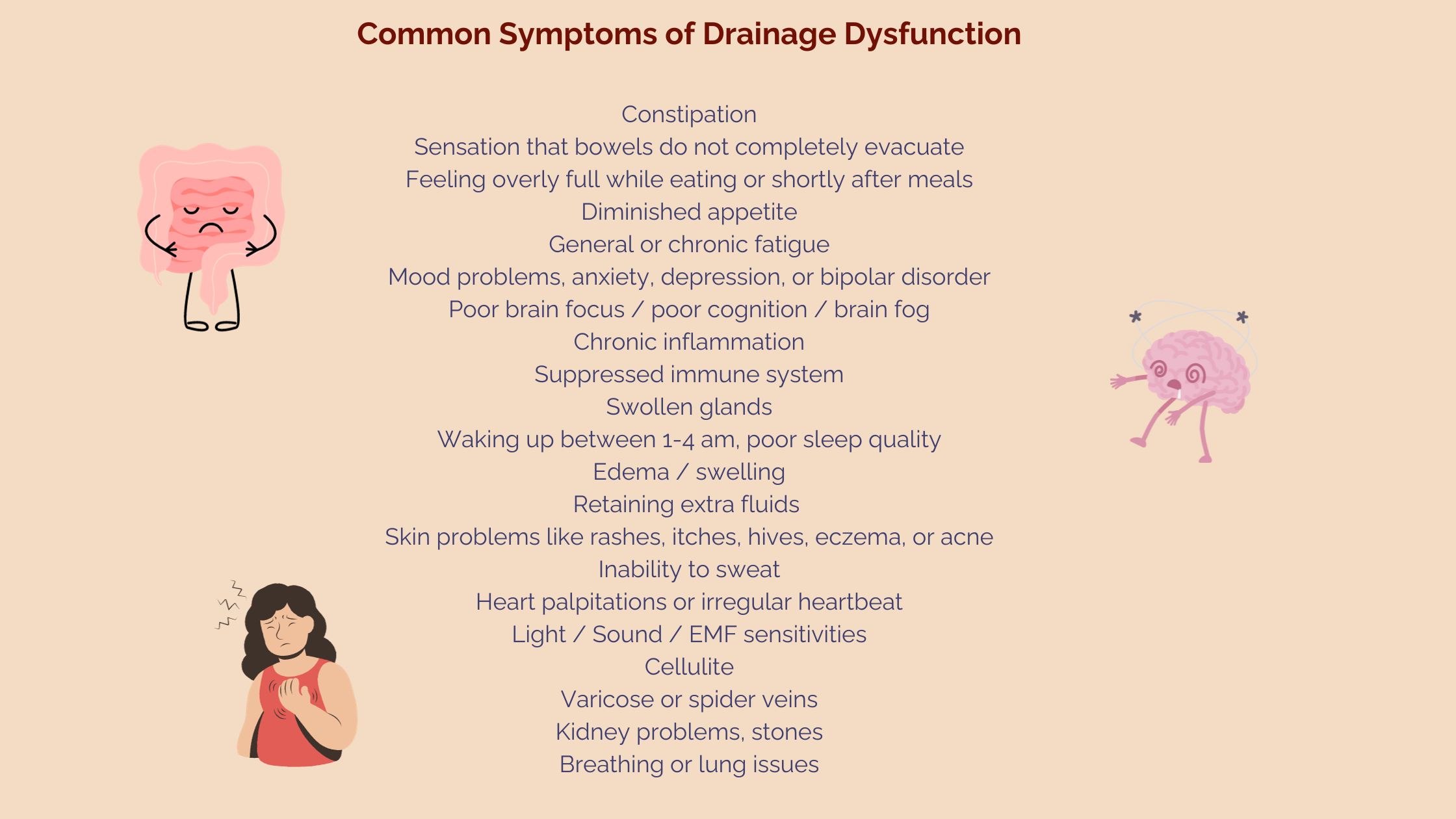
The lymphatic system serves as the garbage collection and transport network of the body. It ferries waste from tissues to be processed by the liver and kidneys, eventually eliminated through urination and defecation. If the lymphatic system isn't functioning optimally, trash can accumulate within the body, leading to fluid retention, cellulite, lowered immunity, respiratory problems, sinus infections, swollen glands, rashes, colds, and infections.
Regular exercise, especially activities like jumping on a trampoline or using a vibration plate, stimulates lymphatic flow. Additionally, techniques like massage and dry brushing prove beneficial in enhancing lymph movement, as do sessions in an infrared sauna. Certain herbs, such as burdock root and astragalus, are also supportive of lymphatic flow.
4. Organs and Tissues - Your Brain's Garbage Disposal
The brain has its unique drainage system known as the glymphatic system, responsible for clearing cellular waste and fluids. This system primarily operates during sleep, clearing cellular waste and fluids and distributing essential substances like glucose, lipids, and amino acids. The glymphatic system delivers wastes to the lymphatic system for removal from the body.
Signs that your brain isn’t draining well include brain fog, headaches, and memory issues. This nighttime brain-cleansing process is vital for preventing the accumulation of waste, which has links to neurological conditions, including Alzheimer's disease. Prioritizing sleep is imperative to allow the brain's detoxification system to work effectively.
5. Cells - Powerhouses of Drainage
The cells in your body serve as the final stop in the drainage process. All preceding elements must function smoothly to prevent the buildup of waste and toxins within the cells, which can lead to mitochondrial dysfunction. Mitochondria are the cellular powerhouses, supplying the energy needed for the entire drainage and detoxification process. Healthy mitochondrial function not only reduces the risk of disease but also provides the energy necessary to facilitate detoxification throughout the entire drainage pathway.
Prioritising Drainage Before Detoxification
It is imperative to emphasise the optimisation of drainage throughout the entire funnel before embarking on detoxification protocols. People experiencing constipation, liver congestion, or sluggish lymph are not ready for effective detoxification and may experience worsened symptoms. The accumulation of toxins within the drainage funnel leads to dysfunction and disease. The silver lining lies in the potential to reverse these uncomfortable symptoms by restoring efficient drainage. Achieving proper drainage often requires a multifaceted approach. Working with an experienced Holistic Health Practitioner is a pivotal step in the success of your detoxification journey.