
Elemental Diet: A Proven Method for SIBO Treatment

If you have been diagnosed with Small Intestinal Bacterial Overgrowth (SIBO), the road to recovery can sometimes be a rocky one. My goal is to help and make it easier for you. Among the different treatment options, the Elemental Diet stands out as an effective, simpler alternative.
This article dives into the use of the Elemental Diet for SIBO treatment and management, its benefits, contraindications, and a few guidelines before integrate it into your treatment plan. For other treatment options, you can read my Complete SIBO Treatment options article.
What is an Elemental Diet?
The Elemental Diet (ED) is a specialized nutritional approach designed to provide all essential nutrients in a pre-digested, easily absorbable form. It typically involves liquid or powdered formulations containing amino acids, simple sugars, fats, vitamins, and minerals.
The elemental nature of the diet requires minimal digestion, facilitating nutrient absorption in the first few feet of the small intestine, while giving the digestive system a temporary rest. While adhering to the elemental diet, only water and the elemental formulation is allowed. All regular meals and foods are omitted, and unnecessary supplements should also be avoided. You can keep taking your essential medication.
Different formulas of Elemental Diet
There are many options on the market and some definitely taste better than others. There is also the option to buy all the ingredients and DIY, hence making your own Elemental Diet, although I have tried it myself and found it to be an annoyance (getting the ingredients separately and especially making sure you’re getting all your essential nutrients, vitamins and minerals), on top of tasting THE. ABSOLUTE. WORST. And I mean it.
Amino Acids are bitter, and without any masking agent or flavouring, it is very hard to get down. I had to pinch my nose and chug the thing down every single time for a whole 2 weeks. Not something I want my clients to have to go through.
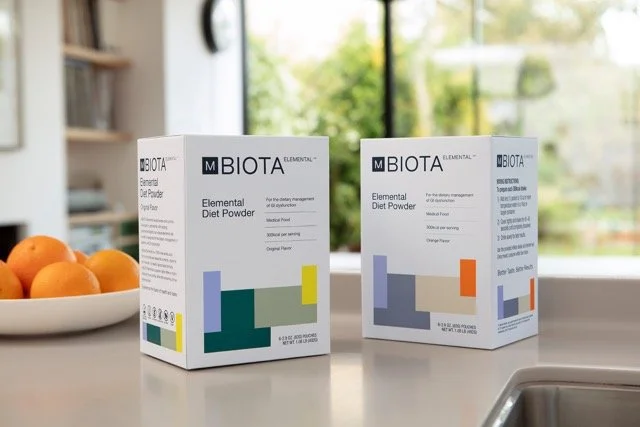
This is why I highly recommend a pre-formulated version for convenience, but also as a safer, more sustainable option. These formulas are available as ready-to-drink liquids or powders (to be mixed with water only).
You would consume the “ED shakes” throughout the whole day, which can be diluted with additional water, or blended with ice. Occasionally, it can be supplemented with a few other allowed ingredients such as MCT oil and salt, as required.
My favourite formulations are the Physician’s Elemental Diet Dextrose Free and the mBIOTA Elemental Diet Powder.
(Use code GUTTALK for a discount.)
Benefits of the Elemental Diet in SIBO Treatment
Elemental diets were initially developed as a medical food to treat patients with severe digestive diseases like Inflammatory Bowel Diseases (Crohn’s, Ulcerative Colitis) and refractory Celiac disease, however their application has significantly evolved and they are now used in a vast array of conditions, including SIBO.
The Elemental Diet works in a different way than antimicrobials or antibiotics. It can be very effective, especially if you had high levels of gas (ppm) detected on your SIBO Breath Test.
In clinical practice, we see it reduce gas levels by >100ppm in one single course, which is very impressive and at least twice as effective as antibiotics (both pharmaceutics and herbs).
It is also well-tolerated, more than antimicrobial herbs in sensitive people (due to sensitivities to histamines, salicylates)or potent antibiotics that can act like atomic bombs in your gut (I’m a bit dramatic but you get the picture). Rifaximin (Zaxine, Xifaxan)is the only exception to this, as it stays in the small intestine and doesn’t have any systemic effect.
The main benefits of the Elemental Diet
Bacterial Starvation
The Elemental Diet restricts the intake of complex carbohydrates, depriving bacteria in the small intestine of their primary energy source. This starvation effect aims to reduce the overgrowth of bacteria associated with SIBO. The die-off tends to be in a slower and gradual fashion, although it can still be quite intense for some.
Symptom Alleviation
SIBO symptoms, such as bloating, gas, and abdominal discomfort, often stem from the fermentation of carbohydrates by bacteria. By eliminating these fermentable foods, the Elemental Diet helps alleviate these symptoms. It is, in essence, an extremely low-fodmap diet. Being absorbed quickly, nothing gets left for fermentation.
Lowering of Inflammation
The use of elemental diets has demonstrated a decrease in gut inflammation, particularly observed in patients with conditions such as Crohn’s disease. The formulas are very gentle on the digestive system and hypoallergenic due to the fact that it is made of amino acids (the building blocks of proteins) and simple sugars.
These formulas lack fiber or prebiotics, which is a good thing in this case, preventing the exacerbation of existing overgrowth of gut bacteria. Elemental diets do not contain food antigens, which are particles capable of triggering immune reactions. The pre-made formulas I recommend to my clients are all hypoallergenic. The absence of antigens helps in reducing inflammation in the gut and calming the immune system.
Nutritional Support
Despite its elemental form, the diet provides all essential nutrients required for bodily functions. Despite the temporary shift in dietary composition, the body receives the necessary building blocks for maintenance and repair. Individuals with SIBO can actually be quite malnourished, due to altered small intestine function (where most of the nutrients get absorbed) and using a pre-digested formulation can be really helpful to provide the body the nutrition it requires to heal.
Contraindications of the Elemental Diet
While the Elemental Diet presents a valuable option for many with SIBO, certain contraindications should be considered:
Eating Disorders
Individuals with a history of eating disorders may find the restrictive nature of the Elemental Diet triggering or challenging. The importance of a balanced approach to nutrition and consultation with a healthcare professional is crucial in such cases.
I offer a free consultation if this is your case and you would like to determine if the elemental diet could be a good fit for you.
Fungal Overgrowth
Fungal overgrowth, particularly conditions like Small Intestinal Fungal Overgrowth (SIFO), can be exacerbated by the Elemental Diet. The diet is very high in sugar content, even in its elemental form, and can feed fungal organisms. This is why I sometimes recommend using an antifungal while on the elemental diet to prevent SIFO from happening.
How to Implement the Elemental Diet for SIBO
Consultation with a Health Practitioner, Nutritionist or Dietician
First thing first: before embarking on the Elemental Diet, consultation with a SIBO practitioner, nutrition specialist, or functional medicine doctor is recommended. This ensures a safe approach based on individual health needs. They can also help you calculate the daily amount of elemental diet you would need according to your weight, height and movement.

Blending it with ice makes it more palatable.
Duration and Monitoring
The duration of the Elemental Diet varies, but typically ranges from 14 to 21 days (2 to 3 weeks). Regular monitoring of symptoms and, if feasible, a follow-up breath test for SIBO can guide adjustments to the treatment plan. It is best to be followed by a practitioner while you are on the elemental diet as some troubleshooting is often necessary.
Gradual Reintroduction of Foods
After completing the Elemental Diet, a phased reintroduction of solid foods is initiated. This process involves introducing specific food groups gradually to identify potential triggers and monitor symptom response.
Addressing Underlying Causes
While the Elemental Diet serves as a potent tool, addressing underlying factors contributing to SIBO, such as motility issues or digestive dysfunction, remains crucial for long-term success.
The Bottom line
The Elemental Diet is as a valuable and scientifically-supported strategy in the comprehensive management and treatment of SIBO. Its unique approach, after careful consideration of contraindications, puts it as a solid treatment option for multiple digestive conditions, including IBDs and SIBO.
As with any therapeutic intervention, collaboration with a health practitioner ensures optimal outcomes, in a safe and monitored way.