
Gastritis, Histamines, and the Role of Histamine Blockers
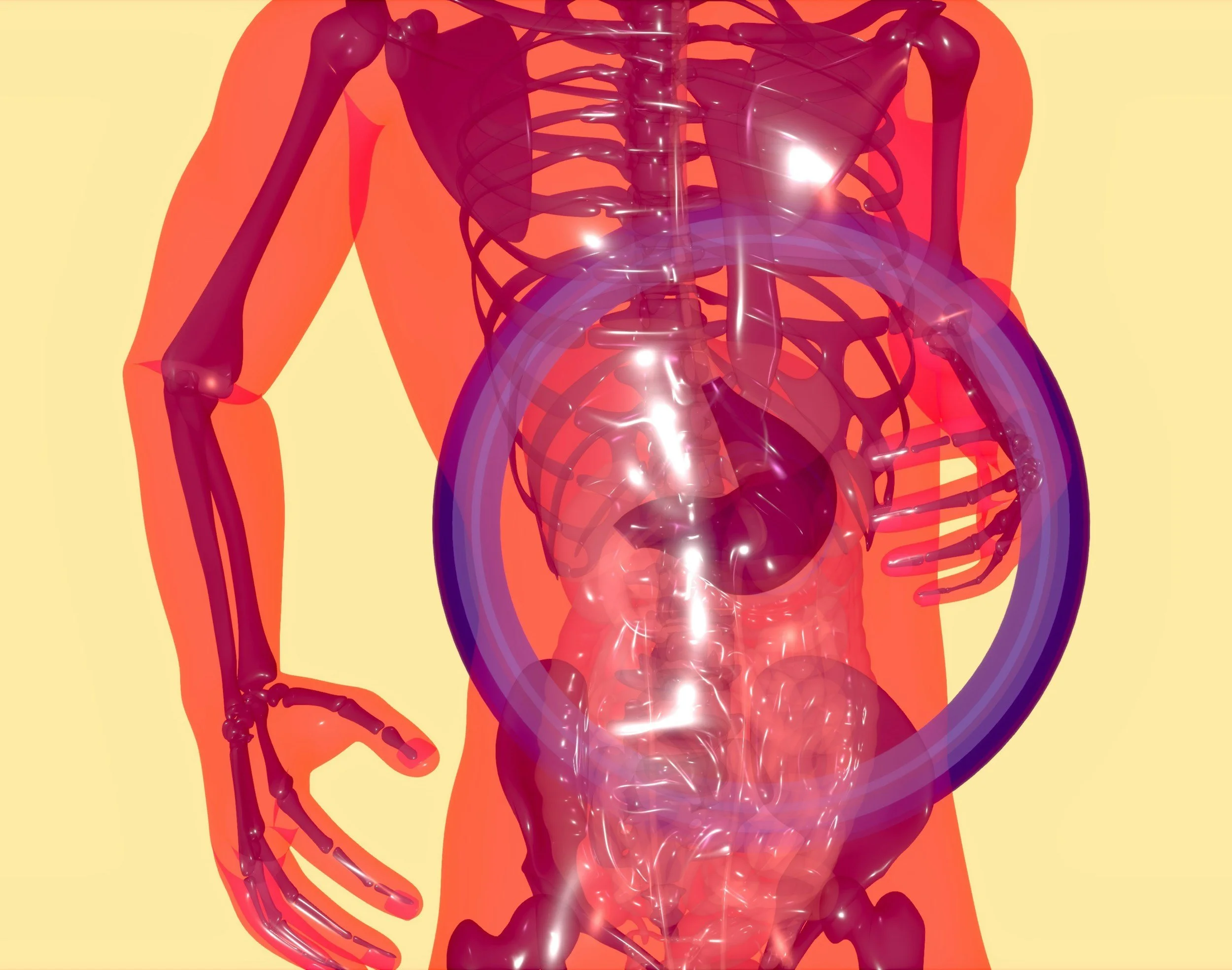
What is Gastritis?
Gastritis, an inflammation of the stomach lining, can be a painful and disruptive condition. While various factors can trigger gastritis, including H. pylori infection, excessive alcohol consumption, NSAIDs use, and autoimmune disorders, the role of histamines in exacerbating symptoms is often overlooked.
Understanding the Inflammatory Cascade
Histamines are powerful chemical messengers released by our immune system in response to injury, allergens, or irritants. Their primary role is to initiate an inflammatory response, which is a crucial part of the body's defense mechanism (a good thing). However, in the case of gastritis, this inflammatory response can become a chronic, vicious cycle, leading to increased discomfort and prolonged dis-ease.
Histamines and Stomach Acid Production
When the stomach lining becomes inflamed, it triggers the release of histamines. These histamines, in turn, stimulate the parietal cells in the stomach, which are responsible for producing stomach acid. This increased acid production further irritates the already inflamed lining, leading to a cascade of unpleasant symptoms.
Common Gastritis Symptoms:
Heartburn (aka acid reflux)
Indigestion / fullness
Stomach pain
Nausea
Vomiting
Important Considerations: This article focuses specifically on the role of H1 and H2 blockers in managing histamine flares, as well as gastritis symptoms. It does not look into other avenues such as herbals or prescription medication. It's important to consult a health practitioner for a personalized treatment plan that considers all aspects of your condition.
Targeting Histamine Receptors: H1 vs. H2 Blockers
Histamine blockers are medications that work by blocking the action of histamine. However, they target different types of histamine receptors:
H1 Blockers: These medications primarily block histamine receptors (H1) found in the respiratory system, skin, and blood vessels. They are primarily used to treat allergy symptoms like runny nose, sneezing, and itching. H1 blockers have minimal impact on stomach acid production.
Examples of H1 Blockers include: Cetirizine (Zyrtec or Reactine), Loratadine (Claritin), and Fexofenadine (Allegra). Brand names can vary depending on the country.
H2 Blockers: These medications specifically target histamine receptors (H2) found in the parietal cells of the stomach. By blocking these receptors, H2 blockers effectively reduce stomach acid production, providing relief from heartburn, acid indigestion, and other symptoms associated with gastritis.
Examples of H2 Blockers include: Cimetidine (Tagamet), Ranitidine (Zantac), Famotidine (Pepcid). Brand names can also vary depending on the country.
It's important to remember that while H2 blockers can offer temporary relief from gastritis symptoms, they don't address the underlying cause of the inflammation. Identifying and addressing the root cause of gastritis is crucial for long-term healing and preventing recurrence. This may involve lifestyle changes, dietary modifications, addressing underlying infections like H. pylori, or managing autoimmune conditions such as autoimmune atrophic gastritis.
While H2 blockers can be a valuable tool for symptom management and provide relief, they are not a cure. A comprehensive approach that includes addressing the root cause and potentially exploring other natural and/or pharmaceutical therapies is essential for achieving lasting relief from gastritis. Treatment for gastritis depends on the underlying cause.
In Summary:
While histamines don't directly cause gastritis, they play a significant role in exacerbating symptoms by increasing stomach acid production, adding fuel to the fire of an already inflamed stomach lining. H2 blockers, by targeting histamine receptors in the stomach, can effectively reduce acid production and provide short-term relief from gastritis symptoms. However, it's essential to seek advice for a proper diagnosis and personalized treatment plan. If you’re interested in a natural approach to dealing with gastritis or its symptoms, you can book a session with me.