
Post-Infectious IBS: How a Gut Infection Can Trigger Chronic IBS Symptoms
Irritable bowel syndrome (IBS) is often described as a “functional” gut disorder, yet for many people, symptoms begin after a very clear biological event: a gastrointestinal infection (aka a stomach bug).
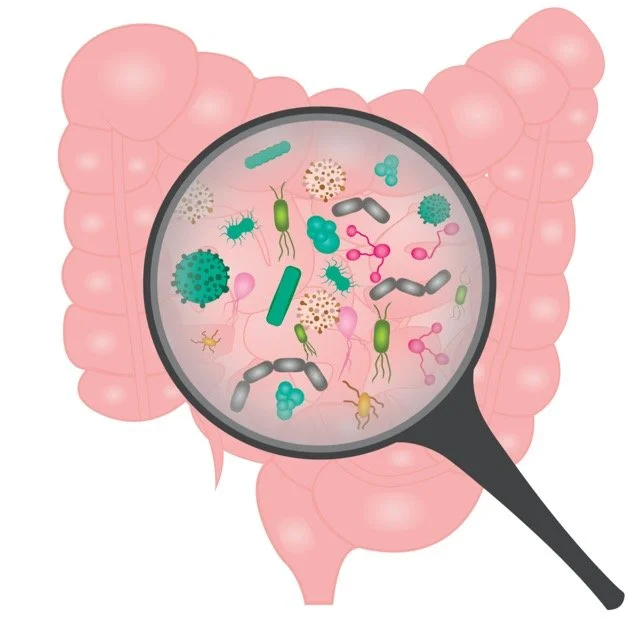
Food poisoning, traveller’s diarrhoea, or a severe stomach flu can resolve within days, but digestive symptoms may persist for months or even years after the event. This pattern is now recognised as post-infectious irritable bowel syndrome (PI-IBS) and represents one of the most well-characterised pathways through which IBS develops.
Large studies show that approximately 10–15% of individuals develop IBS following an episode of acute gastroenteritis, even in the absence of ongoing infection or any structural disease.
PI-IBS is associated with identifiable changes in gut immunity, nerve signalling, motility, and microbial ecology — not simply stress or anxiety alone.
What is post-infectious IBS?
Post-infectious IBS is defined as new-onset IBS symptoms that develop after an episode of acute infectious gastroenteritis, in a person with no prior history of chronic digestive symptoms.
Diagnostic criteria typically include:
A documented or strongly suspected GI infection (usually food poisoning or a travel bug)
Onset of IBS symptoms shortly after recovery
Persistent symptoms lasting ≥6 months
No evidence of inflammatory bowel disease, celiac disease, or ongoing infection
PI-IBS most commonly presents as IBS-D (diarrhoea-dominant IBS), and IBS-M (IBS with mixed bowel habits).
IBS-C (constipation-dominant IBS) is less commonly associated with a post-infectious onset, although that doesn’t mean it can’t occur (I am living proof).
A quick but important note: IBS is considered a diagnosis of exclusion. That means it’s given when structural disease (like IBD, celiac disease, cancer, etc.) has been ruled out — but it doesn’t necessarily explain why symptoms are happening. For many people, IBS is not a final answer. It’s a label describing a pattern of symptoms, not a root-cause diagnosis. In cases like post-infectious IBS, we often uncover measurable mechanisms like immune activation, nerve hypersensitivity, altered motility, and microbiome disruption. It’s not “just IBS”.
Infections associated with PI-IBS
The risk of developing PI-IBS varies depending on the infectious agent (microbe) and severity of illness.
Strongest associations have been documented with:
Campylobacter jejuni
Salmonella species
Shigella
Enterotoxigenic and enterohaemorrhagic E. coli
Giardia lamblia
These are highly problematic and tend to leave people depleted, and their gut “never the same”. That’s part of my story, after I suffered a serious E. coli infection in Peru in 2009.
Viral gastroenteritis (e.g. norovirus) can also precede PI-IBS, though the association appears weaker than with bacterial infections.
Risk factors for developing PI-IBS
Not everyone who experiences gastroenteritis develops IBS (thank god). Most people actually recover fully from food poisoning. But in some individuals, the infection leaves behind subtle changes in the gut, even after the pathogen is long gone.
Risk increases when one or more of the following are present:
Severe initial infection (fever, bloody diarrhoea)
Prolonged duration of infection
Female sex
Younger age
Pre-existing anxiety or depression at the time of infection
Use of antibiotics during the acute illness
And I ticked all of these boxes - lucky me! Sadly, I knew nothing about the microbiome back in 2009 and no one ever told me I could minimize the impacts by taking probiotics and taking care of my gut flora through food.
I want to point out that psychological factors do not cause PI-IBS, but they appear to modulate immune and nervous system responses during infection, influencing long-term outcomes.
What Happens in the Gut After Food Poisoning?
When you get food poisoning, your immune system launches an attack to clear the infection. Most of the time, the infection resolves — but in some people, the immune response doesn’t fully switch off.
Here’s what we now understand can happen:
1. Persistent low-grade immune activation
Certain bacteria (like Campylobacter, Salmonella, E. coli, and Shigella) produce a toxin called CdtB. In some individuals, the immune system creates antibodies against this toxin. In response, the body produces antibodies to fight this toxin.
The issue? These antibodies can mistakenly also bind to a protein in the gut called vinculin. This is due to a process known as molecular mimicry, where the immune system confuses a foreign protein (CdtB) with a similar-looking protein in the body (vinculin).
Vinculin plays an important role in the function of the gut nerves that coordinate movement in the small intestine.
When this signalling is disrupted:
Gut motility can slow down
The normal cleansing waves of the small intestine (migrating motor complex) weaken
Bacteria can accumulate more easily (cue: SIBO)
This is one reason post-infectious IBS often overlaps with SIBO.
This mechanism has autoimmune features, although post-infectious IBS is not classified as a classic autoimmune disease. Importantly, this immune activity can persist even when routine tests look completely normal.
2. Gut Nerve Signaling Changes
The gut has its own nervous system — the enteric nervous system — which controls movement, sensation, and coordination. You might have heard that the gut is the “second brain”, and this is one of the reasons why.
Inflammation during infection (and in the case of PI-IBS, post-infection) can:
Sensitise gut sensory nerves
Lower pain thresholds
Alter reflex control of bowel movements
And as a result:
Normal gas may feel painful
Mild distension can feel severe
Bowel urgency increases
Digestion feels uncomfortable despite no visible damage upon testing
This is known as visceral hypersensitivity — one of the hallmarks of IBS.
It explains why scans, colonoscopies, and blood tests often come back normal, even though symptoms are very real.
The Gut Becomes More Sensitive
After infection, the gut lining and immune cells can remain more reactive.
This can lead to:
Heightened pain sensitivity
Stronger reactions to normal amounts of gas
Food sensitivities that weren’t there before
This doesn’t mean “it’s in your head.” It means the gut–brain connection has become more sensitive.
3. Motility Slows, and SIBO Can Follow
When nerve coordination in the gut is impaired, intestinal motility can slow.
This affects:
The migrating motor complex (MMC)
Coordinated small bowel contractions
Transit time through the intestines
We know that slower motility increases the risk of:
Bloating
Diarrhoea or urgency
Incomplete evacuation
Secondary dysbiosis
Small Intestinal Bacterial Overgrowth (SIBO)
In many cases, SIBO is a downstream consequence of impaired motility, not necessarily the primary cause.
4. Microbiome changes after infection
Acute gastroenteritis temporarily disrupts the gut microbiome.
In people who develop PI-IBS, studies often show:
Reduced microbial diversity
Lower levels of butyrate-producing bacteria (you can read more about the importance of butyrate here)
A relative expansion of Proteobacteria
Together, these shifts can affect:
Gut barrier integrity
Immune balance
Nerve signalling
Inflammation regulation
Even after the infection clears, the microbiome may not fully return to its previous state (especially if antibiotics were used), which can further perpetuate symptoms.
Autoimmune Features & IBS-Smart Testing
A subset of post-infectious IBS cases involves measurable immune markers.
Research from Cedars-Sinai has shown that some individuals with IBS-D or IBS-M have elevated:
Anti-CdtB antibodies
Anti-vinculin antibodies
These antibodies are thought to reflect the post-infectious immune mechanism described above. In the US, there’s a test called IBS-Smart that measures these antibodies in blood.
The IBS-Smart test may help support a diagnosis of post-infectious IBS in patients with:
Sudden-onset IBS after food poisoning
Chronic diarrhoea or mixed bowel habits
Normal imaging and standard investigations
Visit IBS-Smart (United States) for more info.
Why PI-IBS is often misunderstood or mismanaged
Because PI-IBS does not involve an ongoing infection or structural disease, patients are frequently told their gut is “normal.”
However, normal imaging does not rule out:
Nerve hypersensitivity
Immune dysregulation
Motility dysfunction
Microbiome instability
As a result, overly restrictive diets, repeated antimicrobial protocols, or purely psychological explanations (like anxiety and stress) may fail to address the underlying biology.
Understanding this helps shift the narrative from “nothing is wrong” to “something changed, and we can work with it.”
Can post-infectious IBS improve?
Yes — but improvement is typically gradual AND multifactorial.
Recovery often requires:
Supporting gut motility rather than suppressing symptoms
Calming immune–nerve signalling
Rebuilding microbiome resilience
Avoiding unnecessary eradication strategies when no infection is present
Early recognition of PI-IBS tends to improve long-term outcomes.
Post-infectious IBS is a biologically grounded condition that develops after gastroenteritis due to lasting changes in gut immunity, nerve signalling, motility, and the microbiome.
If your IBS began after a stomach bug and never fully resolved, the issue is not “in your head”, rather it is rooted in how the gut recovered post infection.